


The Meadow Barns Centre
is the headquarters for a style of study and learning that is entirely new.
Your response? Probably to say, ‘Come on, pull the other one!’ But honestly it isn’t hype!
Keep reading to find out how this new learning works and be persuaded that it is indeed a fresh approach, involving deep research and debate within a small team, away from a desk, practical and focused on solving specific problems.
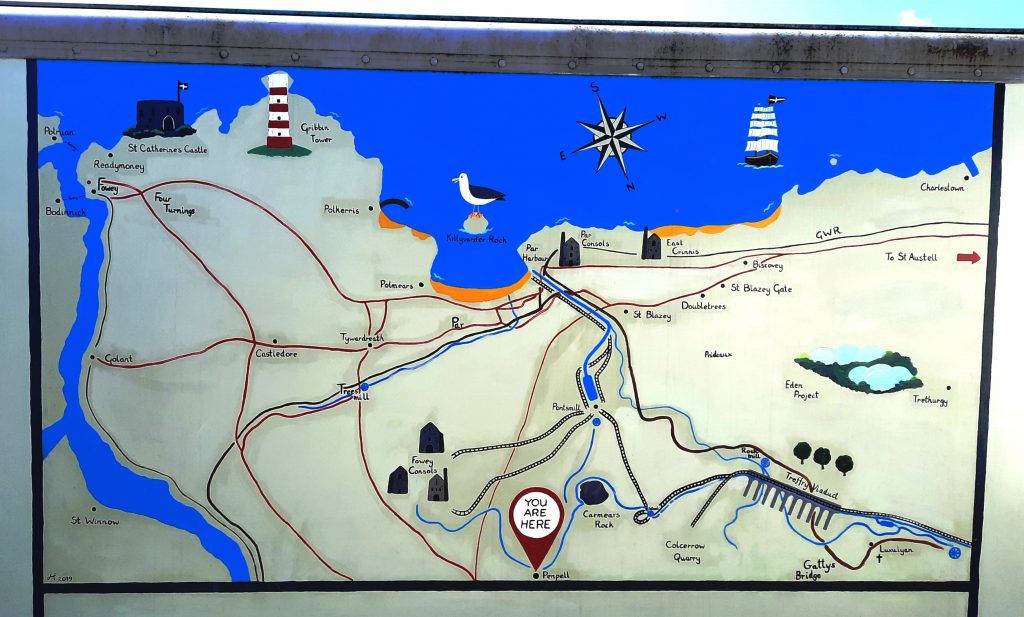
But for a light initial moment, take a quick glance at the slider photos, illustrating the rather wonderful views, at the heart of this small hamlet, called Penpell. The name dates back to 1196 and is Cornish for ‘Distant Height’ … an apt title, given those coastal vistas, stretching from Fowey in the east, to Gorran Haven in the west. This is indeed the place to put aside everyday matters and concentrate on a particular problem, seen within a national or global context.
Communities of Learning
Learning that happens at school or college is a shared experience, usually in a group of around 30 people at a time. But for a true ‘Community of Learning’, other elements are required. It is not enough simply to spend some hours in the same room or playground of a town or village with people your own age, a community needs to arrive at shared aims, values and/or interests and reward those involved with a sense of belonging and achievement.
At the Meadow Barns the first ‘Community’ came together to help the site owner, Caroline Stephenson, design and convert barns and sheds to the highest possible environmental standards – an adventurous Grand Design, with tons of advanced STEM involved. The team had 5 people in it – Stephen the architect, Geoff for groundwork plus Tony, Nick, Simon and young Adam for the main building work. Take this link to find out more.
After the build, Caroline found herself increasingly fascinated by opportunities for heating and lighting homes without having to burn fossil fuels. Gradually, from 2020 onwards, she was able to connect with engineers and form another Community, 5 dedicated to making or restoring old wind, river and tide mills. In this group are Pat Cook, of Freeflow 69 company, which makes water wheels and turbines, David and Bob, who are experts on local hydro history, another David who is an electrical engineer and Mat, expert installer of solar and heat pumps. Take this link, to read further and/or browse the numerous relevant films about green energy systems on the 2 YouTube channels
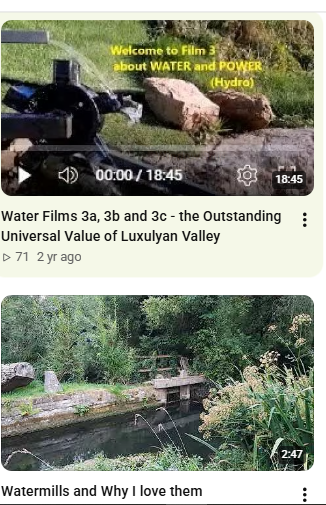
The Meadow Barns YouTube channel offers nearly 40 free films, covering all the years of development of the centre and its ambitious climate-related events – 9 years in all (Copper Anniversary in 2026). Find these at https://www.youtube.com/@meadowbarnscentre2538/videos
More recently new films were posted, of the 2026 Learning Tracks scheme during summer trials. These feature firstly a July Community of Learning at Saltash, an August event all about renewal of old trainlines and transport issues, at Bere Ferrers in West Devon and a September collaboration with Simon, a professional film maker, around the Clays District of mid Cornwall. This project concentrated on the red-hot contentious issues of new mining for Lithium.
On October 23rd a complete drama in 2 Acts, summing up those issues about new mining will be shared at a screening in Redruth, as part of a project in conjunction with the University of Leeds. Full details and booking link are here. More films from the drama will be added at Learning Tracks YouTube over the autumn and winter, summing up what was achieved and setting out opportunities for the future.
The next Communities became ever more Creative
Although Caroline embraced Green STEM enthusiastically, having given up on science studies around the age of 14 and concentrated on growing a long and rewarding career as a professional musician, teacher and leader of arts projects, she needed help to grasp the most complex information. For this, and indeed to adorn the exterior of her buildings and grounds, she called together a very different team of 5. The Artist Community Group consists of Louise (visual arts and crafts), Verna (stories, poems and literacy), Jenn (maker of beautiful wood platters), Pema (Celtic musician) and Dana (a community artist and educator with a love of earth and clay). With their support and encouragement Meadow Barns activities now offer a wonderful combination of STEM and Arts, including many recorded Learning Stories and Conversations, all with a very clear agenda … to go Full STEAMS Ahead solving the many challenges faced by our planet.
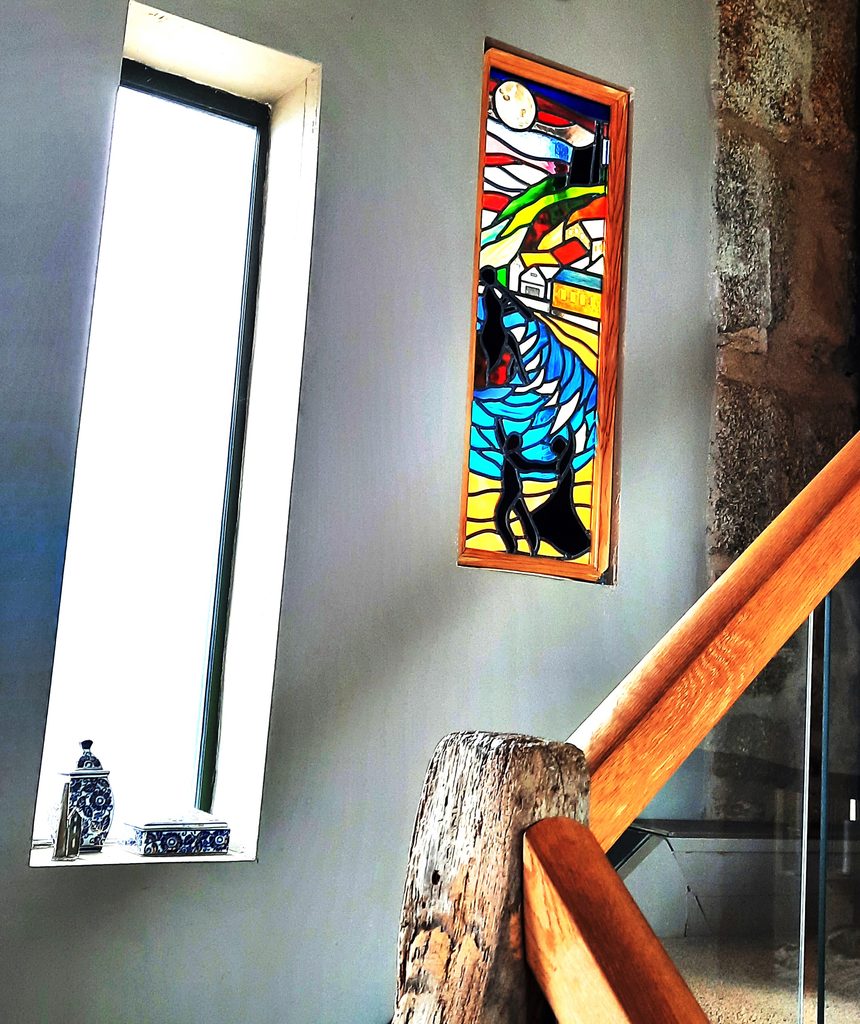
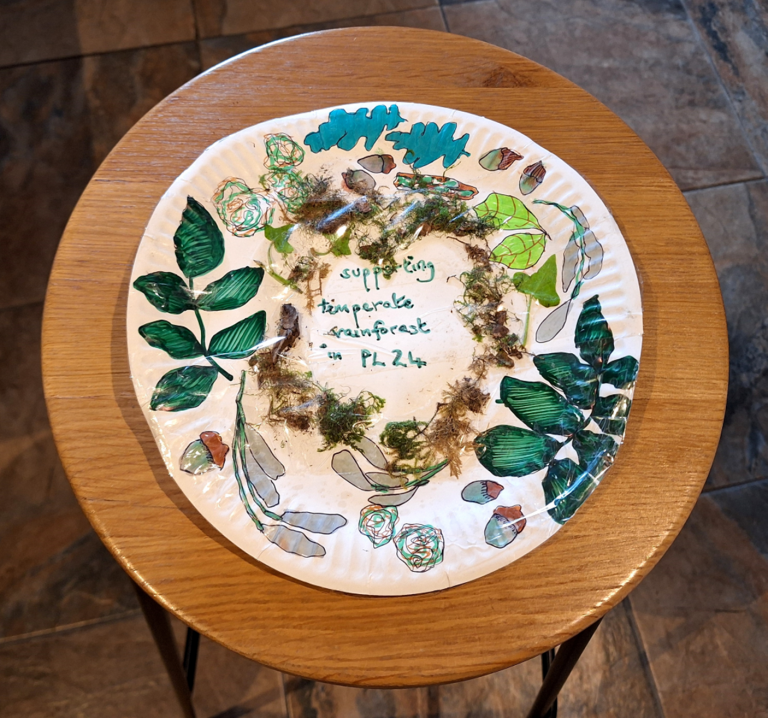
Although these Creatives, who live and work in Cornwall, are the most regular contributors there is an extension to the Team in the form of professional performers – Tom Jackson Greaves and Edwin Ray – who spend their lives making and performing musical theatre, dance and drama shows in the West End. Their perspective is invaluable also, and you will occasionally hear their voices in Learning Conversations.
Five for a better Future
It wasn’t deliberate, but every recent recruitment drive to engage communities resulted in Five people volunteering to take part. They brought just the right combination of skills and experiences and took turns to lead discussions. At St Dennis, the 5 sources consulted represented different sectors (farming, hospitality, industry, local council/ trustees at the community centre, and creative groups). The hope is that our research and work making films can help the Clays region evolve their own permanent team of 5, to drive positive outcomes for the future.

The arrangement shown in the GWR promotion above, is not a rigid requirement, a little flexibility is fine, especially as not all venues can accept a dog joining in! However, travel by train or via other non car options is very much encouraged.
For schools a great plan is to add 2 or 3 extra adults (teacher and supporting parents or grandparents) with 5 children, so the group of 8 in total can deliver vital qualities (as envisaged by Enid Blyton) and use them to prepare a report or performance, for sharing with the rest of a class, or a larger school assembly. They will need
- Excellent Team work, Listening and Concentrating
- Acute Observational Skills
- Geographic and Spatial Intelligence (Orienteering)
- Confidence and Persistence to tackle and solve puzzles and codes
- Reporting ability, based on identifying and recording key words/details
Ready to try? Buy a pack like this, for your group
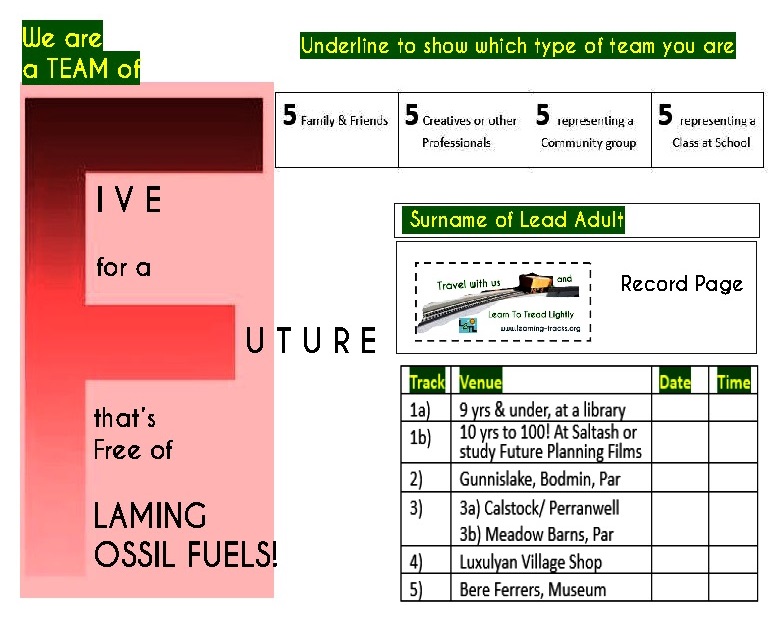
The version supplied is in black and white, for learners to illustrate with paints or crayons. You will need to collect it from a venue, that you contact in advance to book your visit. Please be sure to take some real money, notes and coins, with you. They are part of the learning plus it is expected that you support the venue by purchasing refreshments or other items, and offering a donation on top.
OPTIONS available through AUTUMN 2026 and ways to book are set out in the What’s On Section.
The Final Five
Despite being an informal mode of learning, this new model can benefit hugely from educators with much expertise in the world of formal teaching and learning. Fortunately there is a team of ‘Leading Lights’, in which each person has spent a considerable number of years employed in schools or universities, but who now have time to devote and are excited to help steer this new way.
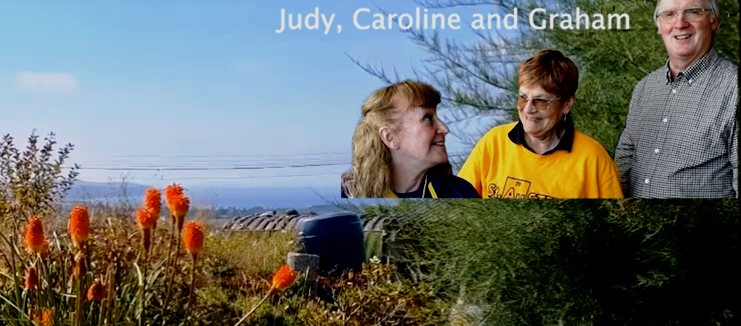
Judy is an Early Years specialist, Graham feeds in expertise on secondary and international schools. Michael has retired from his role as Professor of Lifelong Learning at Glasgow University but continues to work independently, in developmental roles for UNESCO ‘Learning Cities’. Finally a German couple, Heimke and Juergen, bring their knowledge of outdoor learning, for fitness and mental health. But Juergen has gone over to the ‘desk side’ and now is concentrating on how to help with digital tech. Together this makes for a fantastic team of 5 to shape future developments.
Further afield – lobbying, online forums and mini-conferences
A rare but still important element of work undertaken by Meadow Barns teachers is lobbying for change, at all levels of government and internationally as well. In this they collaborate with Environmental groups, universities, the Learning Cities movement within UNESCO and with industry partners. Here is an example:-
On January 21st Caroline was up at Westminster, meeting a minister at the Department for Energy Security and Net Zero. This came to fruition after years of patient partner-working with the bio-fuels provider, Mitchell and Webber. It sums up what Meadow Barns offers = a style of learning closely linked with today’s innovative industries for renewables, storage and metals.

And a last word! When the right moment comes, probably in 2027, the main team of 5 teachers will again plan and deliver a Celebration event very similar to previous Ceremonies of Climate Hope. This was the most recent …
Ceremony of Climate Hope for Chinese NY, February Half Term, 2024
2 years ago, Caroline, Judy, Louise and Pema were able to collaborate to deliver a slightly different model of inter-generational study of climate issues, in a broader more international context, linking with another religion and culture. As with Lanlivery and Lostwithiel Ceremonies in 2023 and Bodmin 2025, they only could deliver such a big day by linking up with the enthusiasm and energy of many groups of all different ages and backgrounds. It was a really heart-warming Ceremony 4 Climate Hope at the centre of the Truro community, thanks to numerous volunteers and talented staff, including Jason Thomas and his amazing youth dance company, funding from the councillor, Rob Nolan, and support of Truro BID team & Salt Projects at the Pydar PopUp building.

You can view the Ceremonies on YouTube too, where there are playlists dating all the way back to the Covid Tapestry of Heroes in 2020 to 21.
